
5 Essential Steps to Conducting High-Quality Academic Research
- Identifying a Clear Research Problem High-quality research begins with a well-defined research problem. This means choosing a topic that is specific, meaningful, and possible to study with the time and resources you have. A strong research problem should address a real need, fill a knowledge gap, or solve an existing issue. For example, instead of selecting a broad topic like “Health in Somalia,” a more precise topic would be “Factors affecting youth nutrition in Mogadishu.” A focused research problem provides clarity and direction for the entire study.
- Reviewing Existing Literature A literature review helps you understand what other researchers have already discovered about your topic. This step prevents you from repeating previous work and guides you toward methods that are already tested and effective. By exploring academic journals, research papers, books, and credible reports, you identify knowledge gaps and gain deeper insight into your field. Strong research is always built on the foundation of previous studies, making this step essential.
- Choosing the Right Research Method Selecting the appropriate research method determines how you collect and analyze your data. Qualitative methods help you understand behaviors, opinions, and experiences, while quantitative methods focus on numbers, measurements, and statistical patterns. The right method depends on your research question and the type of data required. For example, if your goal is to explore why something happens, interviews may be best. If you want to measure how much or how often, surveys or numerical tools are more effective.
- Collecting Accurate and Reliable Data The quality of your conclusions depends on the quality of your data. Effective data collection requires careful planning, clear questions, and unbiased tools. Whether you use interviews, surveys, observations, or experiments, your data must be organized and recorded accurately. Tools like Google Forms, Excel, SPSS, or Notion make this process easier. Reliable data strengthens your credibility and ensures that your findings truly reflect the reality you are studying.
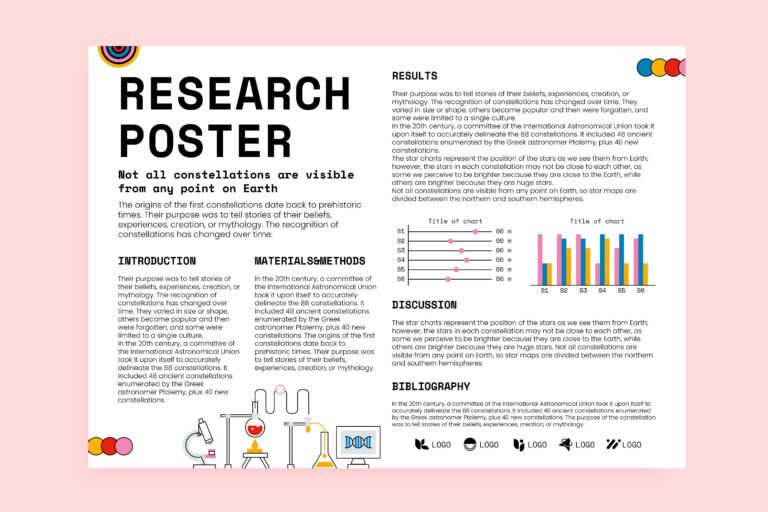
- Analyzing and Presenting Your Findings Once the data is collected, the next step is to interpret what it means. Qualitative data is analyzed by identifying patterns, themes, and insights, while quantitative data requires charts, graphs, formulas, and statistical techniques. After completing the analysis, you present your findings using a clear academic structure that includes an introduction, methodology, results, discussion, and conclusion. Your writing should be objective, logical, and supported directly by your data.
Final Summary Conducting high-quality academic research becomes far more manageable when you follow a structured process. By defining a clear problem, reviewing existing knowledge, selecting the right method, gathering strong data, and presenting findings professionally, you produce research that is credible, valuable, and academically strong.